


Time:2025-09-26 Views:0
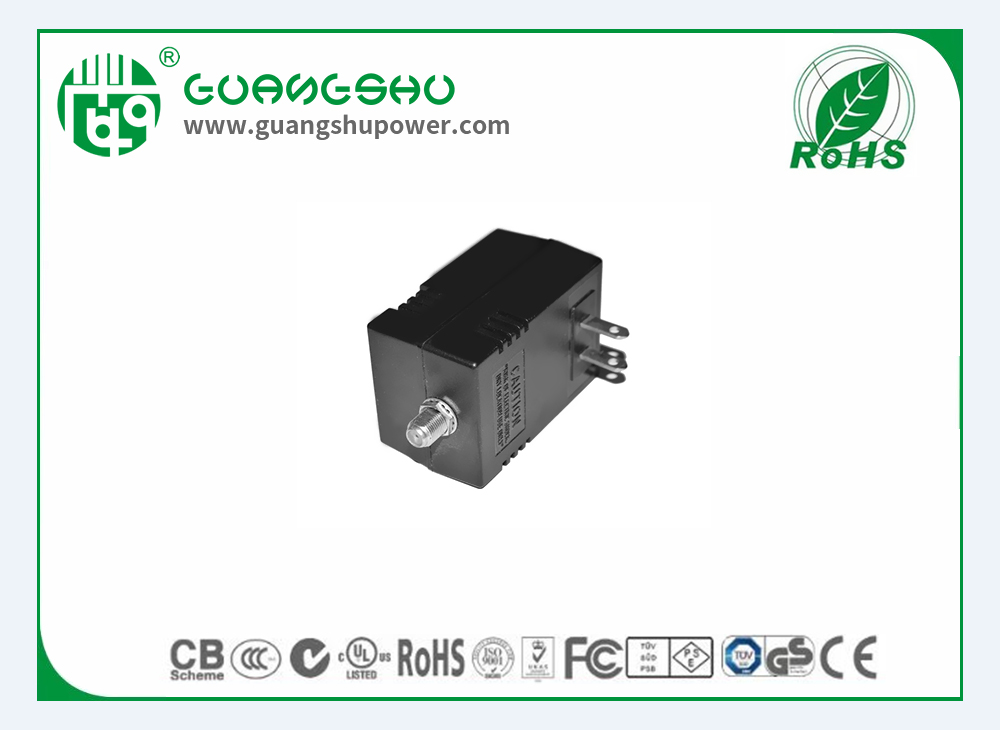
Switching power supply cables are essential components that serve as the critical link between a switching power supply and the devices it powers, playing a vital role in ensuring the stable and efficient transmission of electrical energy. Unlike ordinary cables, those designed for switching power supplies must meet specific requirements to cope with the unique characteristics of switching power systems, such as varying voltage and current levels, as well as potential electromagnetic interference.
One of the key considerations in switching power supply cables is their current-carrying capacity. The cable must be capable of handling the maximum current that the switching power supply can deliver without overheating, which could lead to insulation damage, short circuits, or even safety hazards. To achieve this, the conductors within the cables are typically made of high-quality copper, which offers excellent electrical conductivity and thermal conductivity. The cross-sectional area of the conductor is also carefully calculated based on the expected current load. For example, in high-power switching power supply applications, cables with larger conductor cross-sections are required to minimize resistance and power loss.
Another important aspect is the insulation material of the cables. The insulation must be able to withstand the voltage levels present in the switching power supply system and provide effective protection against electrical leakage. Common insulation materials used include polyvinyl chloride (PVC), polyethylene (PE), and cross-linked polyethylene (XLPE). PVC is widely used due to its low cost, good flexibility, and decent electrical insulation properties. PE, on the other hand, offers better chemical resistance and a higher melting point, making it suitable for more demanding environments. XLPE insulation provides even superior thermal and mechanical performance, making it ideal for high-temperature and high-voltage applications.
Shielding is also a crucial feature in many switching power supply cables, especially in environments where electromagnetic interference (EMI) is a concern. Switching power supplies themselves can generate EMI, which can interfere with the operation of nearby electronic devices. Additionally, external EMI sources can affect the performance of the switching power supply and the devices it powers. Shielded cables use a layer of conductive material, such as copper foil or braided copper, to block EMI from entering or exiting the cable. This helps to ensure the stability and reliability of the entire electrical system.
The length and flexibility of switching power supply cables are also factors that need to be taken into account during the selection process. The length of the cable should be appropriate to avoid excessive voltage drop, which can occur when the cable is too long. Voltage drop can lead to a decrease in the output voltage of the power supply, affecting the performance of the connected devices. Flexibility is important in applications where the cable needs to be routed through tight spaces or where the devices are frequently moved. Cables with good flexibility are easier to install and handle, reducing the risk of damage during installation or use.
switching power supply cables are not just simple conductors; they are specialized components that play a critical role in the performance, safety, and reliability of switching power supply systems. When selecting switching power supply cables, it is essential to consider factors such as current-carrying capacity, insulation material, shielding, length, and flexibility to ensure that they are suitable for the specific application requirements.
Read recommendations:
USB-C-Separate Model Without Type C Cable
12W European standard Switching power supply
 Scan WeChat
TEL:+86-13823200573 (Mr huang)
E-MAIL:angie@guangshupower.com
TEL:+86-19128369523 (Mr ye)
E-MAIL:alec@guangshupower.com


 Language
  CN
CN Home >