


Time:2025-12-04 Views:0
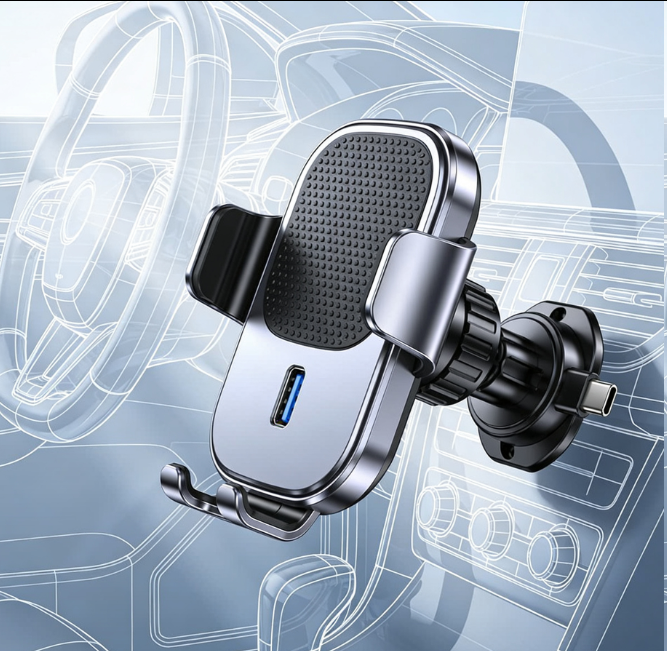
The in-car wireless charger represents a significant leap in automotive convenience, transforming how drivers and passengers keep their devices powered up. Moving beyond the tangle of cables, this technology utilizes the globally recognized Qi standard to transfer energy via electromagnetic induction. For the driver, the primary appeal is the unparalleled ease of use: simply placing a Qi-compatible smartphone onto the charging pad or mount initiates the charging process automatically. This eliminates the fumbling and distraction associated with plugging and unplugging cables, contributing directly to safer driving habits. It ensures the phone is instantly ready for use as a navigation tool or for hands-free communication, all while topping up the battery.
Modern wireless car chargers often come integrated into a secure mount that can be fixed to the dashboard, windshield, or air vent. High-end models feature smart technologies like automatic clamping mechanisms that sense the presence of a phone and secure it firmly. Furthermore, newer standards like Apple's MagSafe or the more universal Qi2 leverage magnetic alignment to guarantee perfect coil-to-coil placement. This perfect alignment is critical, as it allows for faster and more efficient energy transfer, often supporting speeds up to 15W, which closes the gap with traditional wired charging. Many chargers are also equipped with built-in cooling fans or metal heat sinks to manage the heat generated during the induction process, protecting the phone's battery health. The result is a cleaner, clutter-free car interior and a seamless experience that feels integrated with the vehicle's technology. While initial setup costs can be higher and charging speeds might still be slightly less than the fastest wired options, the convenience, improved safety, and reduction of wear and tear on the phone's charging port make the wireless car charger a highly desirable and future-ready accessory.
Read recommendations:
60W desktop with magnetic ring
12V2A European standard wall plug
 Scan WeChat
TEL:+86-13823200573 (Mr huang)
E-MAIL:angie@guangshupower.com
TEL:+86-19128369523 (Mr ye)
E-MAIL:alec@guangshupower.com


 Language
  CN
CN Home >